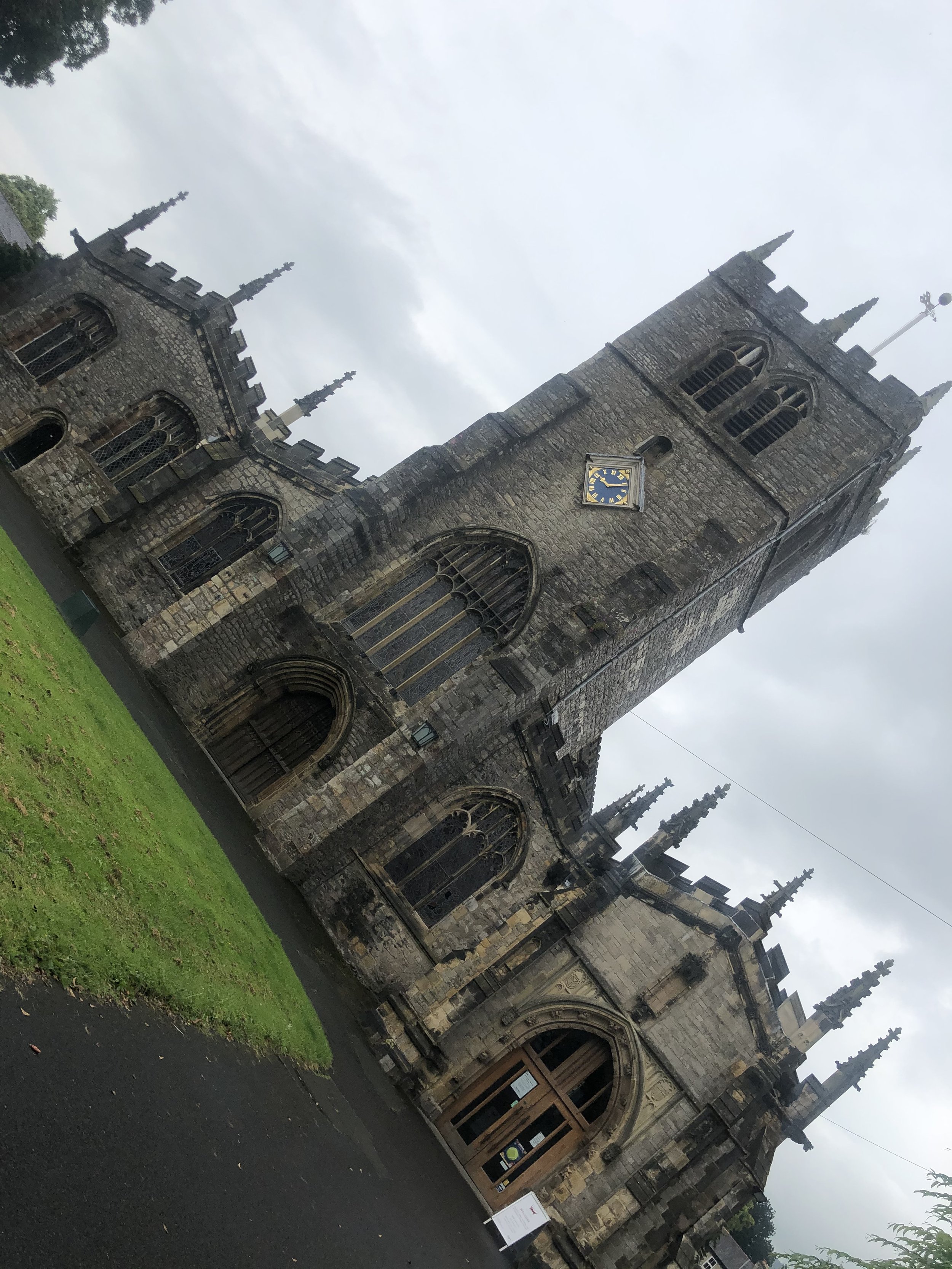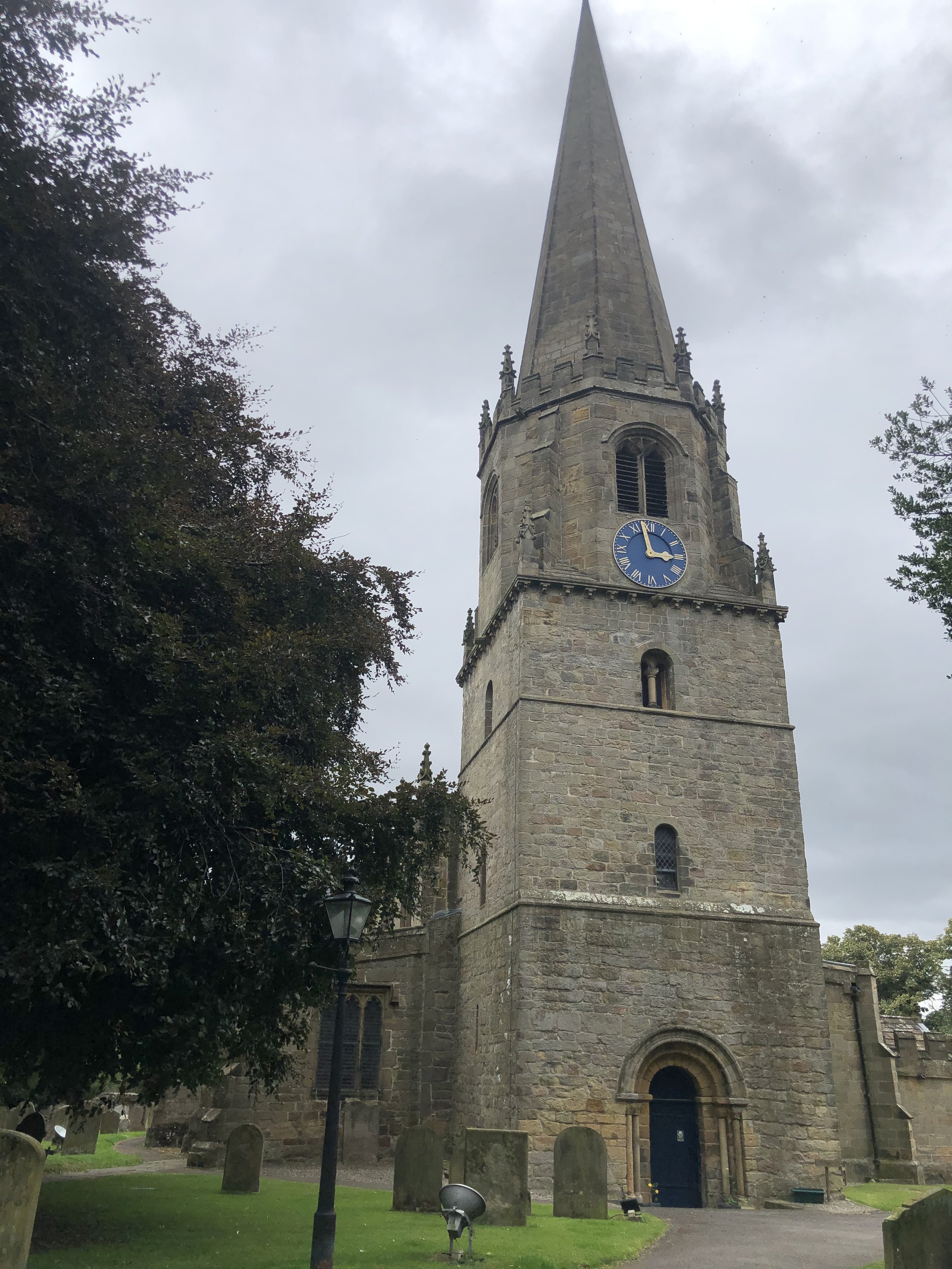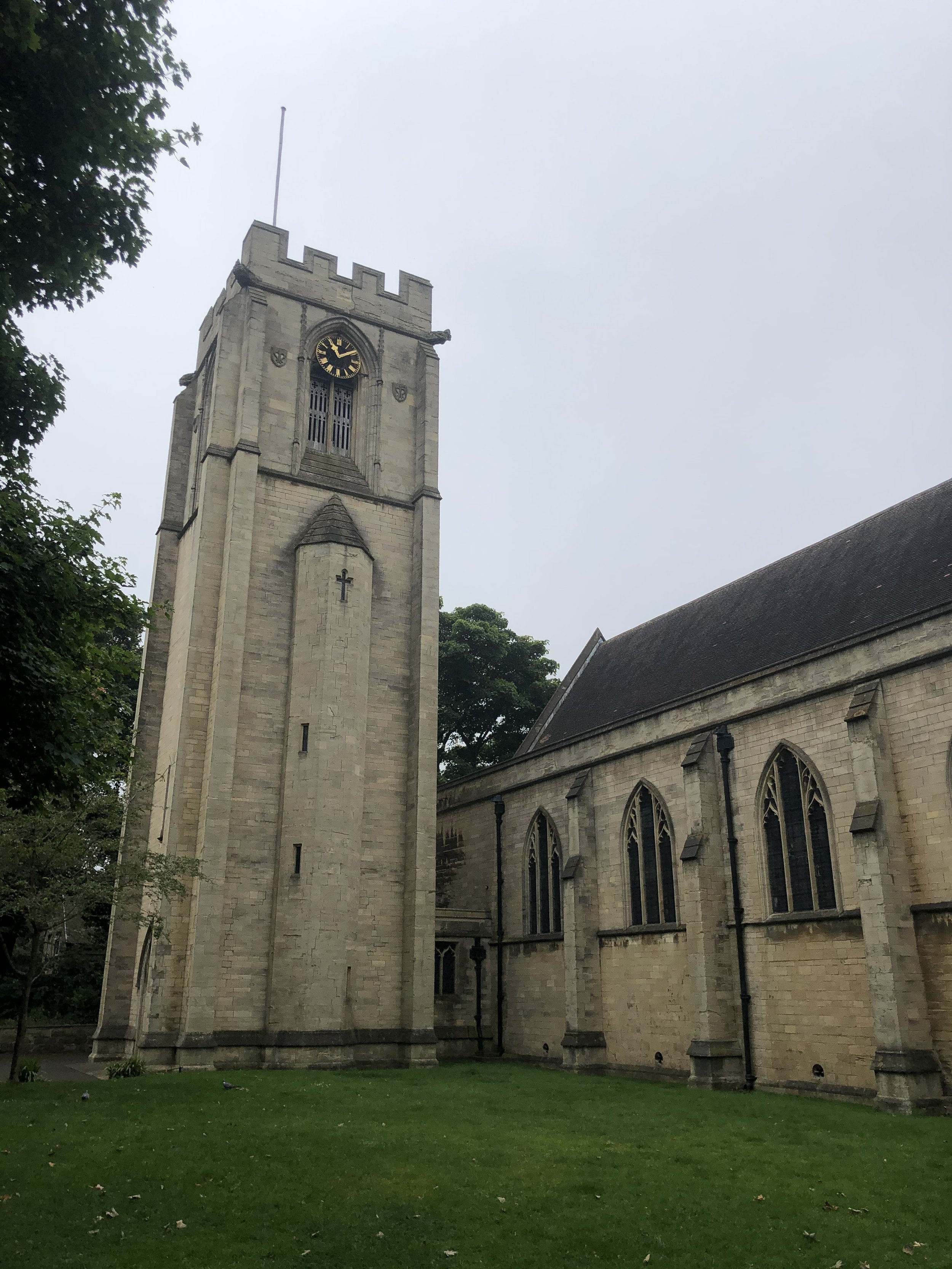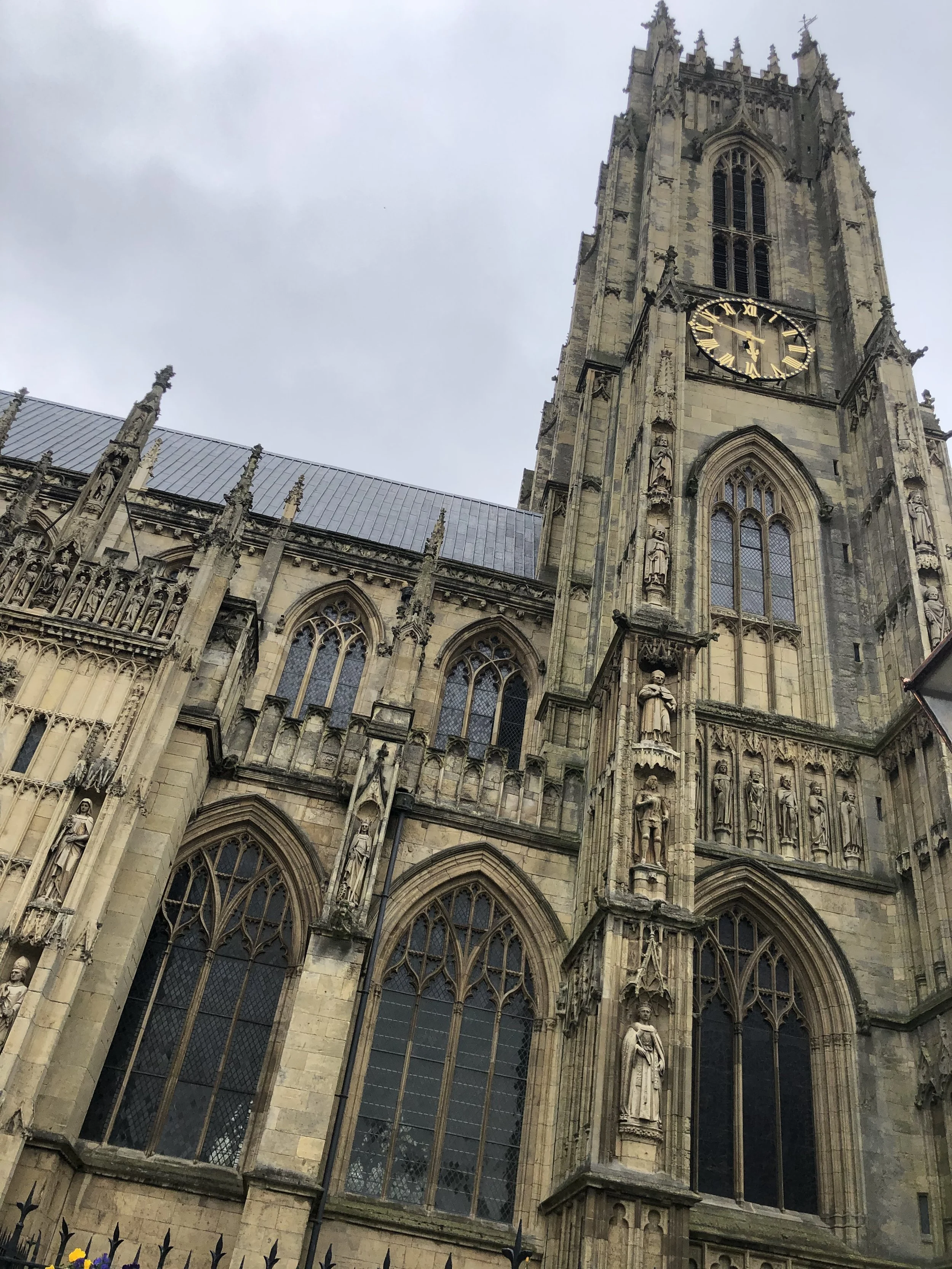
Church of England -
Feasibility and Advisory Programme
Guiding the future of historic buildings through careful feasibility, sustainability, heritage judgement, and long-term planning.
Client: Church of England
Scope: National feasibility and advisory programme for heritage church and parish assets, focused on option testing, future-use appraisal, risk identification, and evidence-led pathways for adaptation, energy, decarbonisation, and long-term viability.
100+ heritage buildings assessed
Future use scenarios tested and risks resolved
Heritage led decarbonisation
Churches, parish and other heritage facilities nationwide
Feasibility-led option testing
Low-carbon pathways aligned with conservation
The Inspiration
Churches and parish centres are among the most recognisable and valued buildings in the country, places of worship, gathering, and refuge that carry deep cultural and community significance. Yet many now face a fragile future, shaped by changing patterns of use, rising operational pressures, environmental risk, and the need to respond responsibly to the climate agenda.
For the Church of England, the challenge is not simply how to reduce carbon, but how to make wise, proportionate decisions about buildings whose future use may still be emerging. Any intervention must be grounded in evidence, respectful of heritage, and capable of supporting both continued worship and wider community life. This programme set out to bring clarity to that complexity.
Our Approach
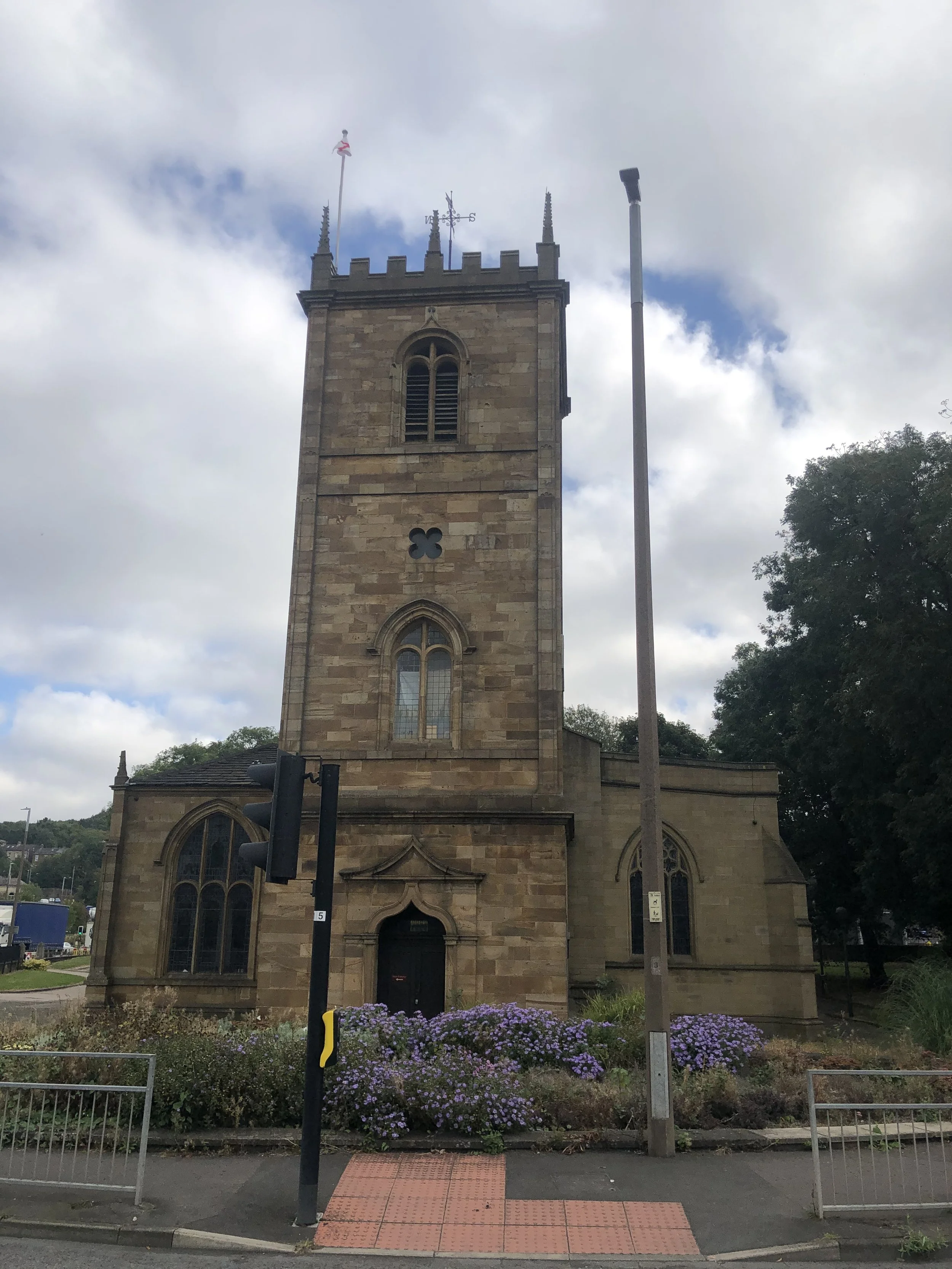
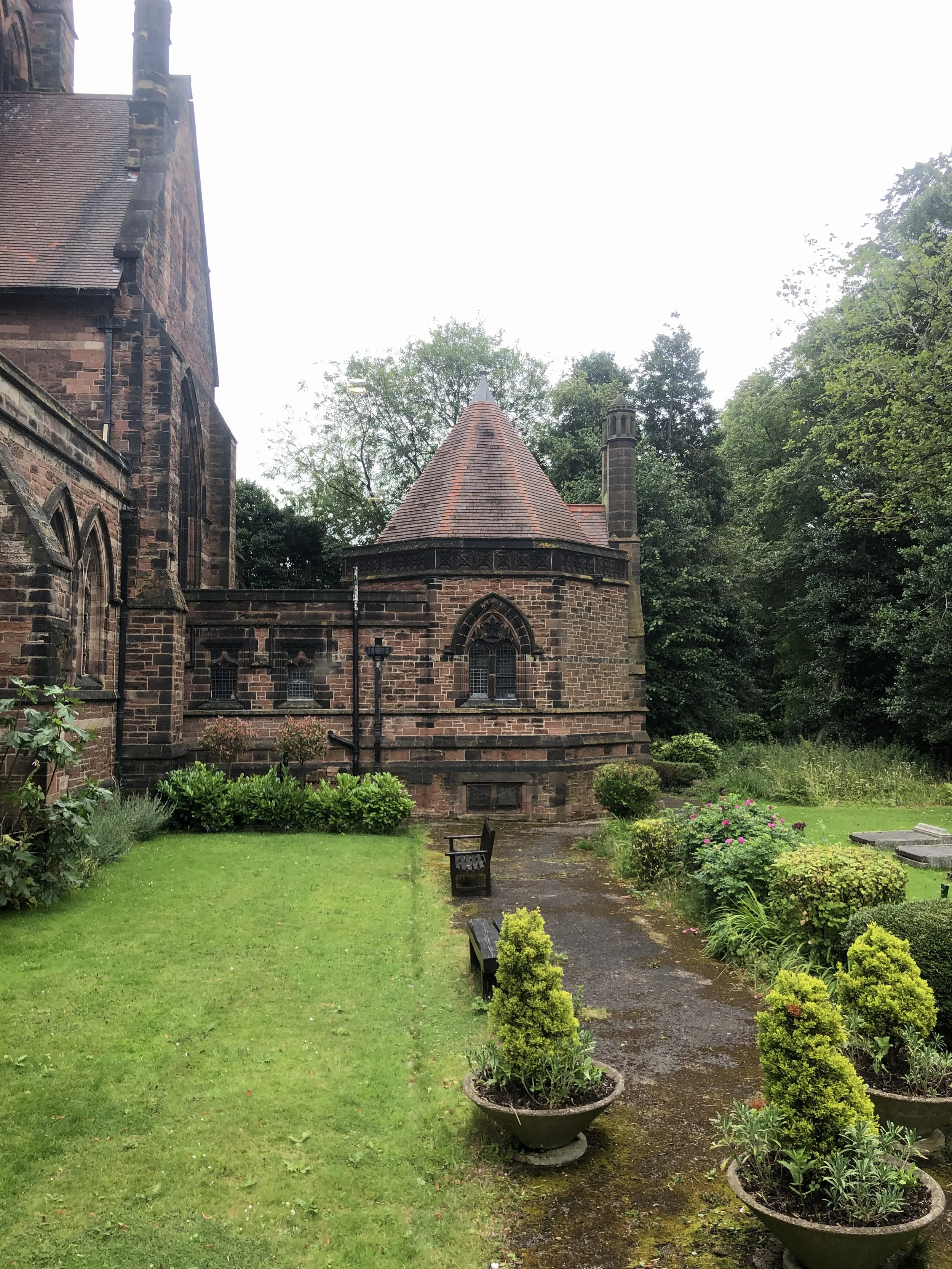
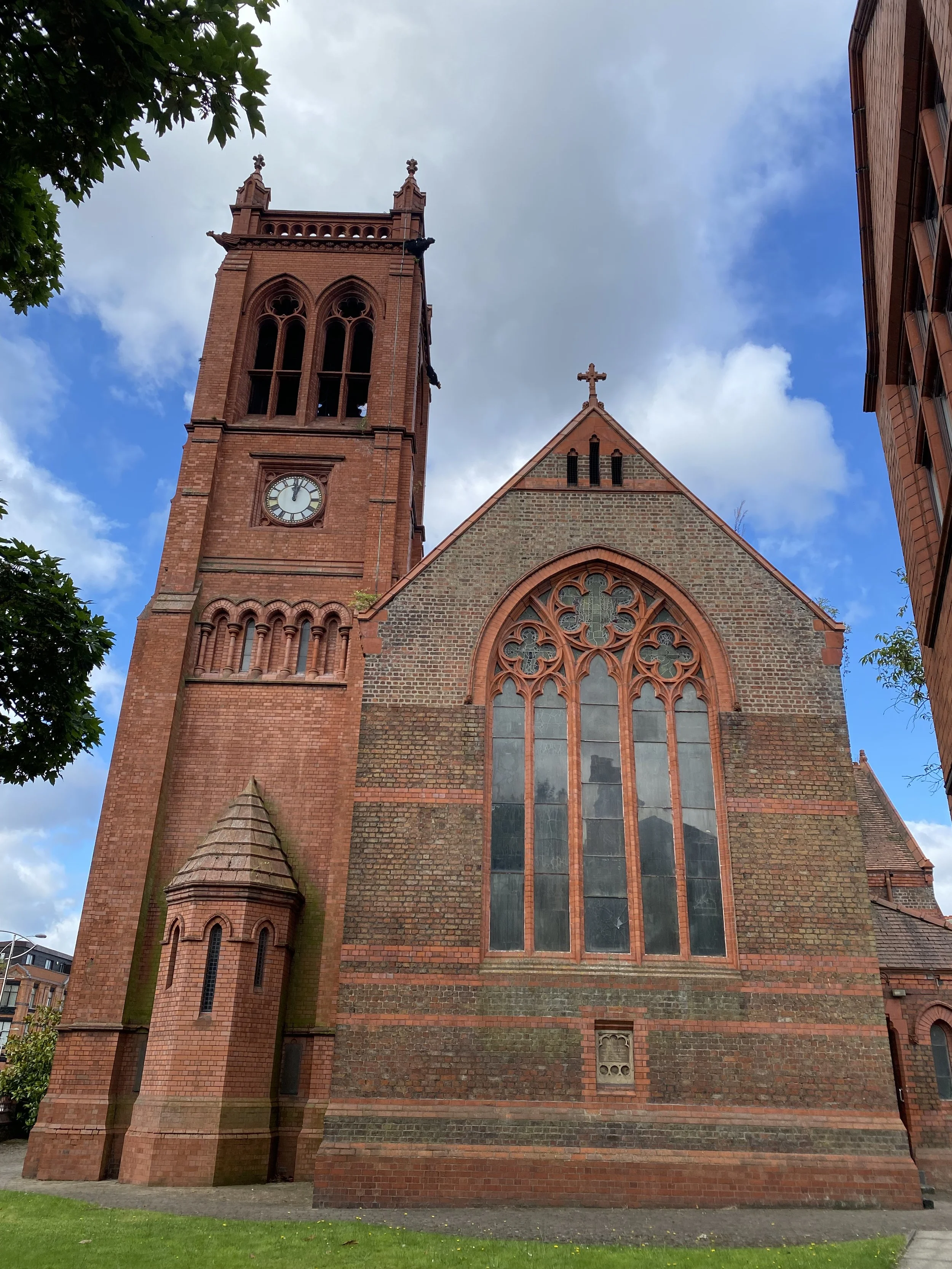
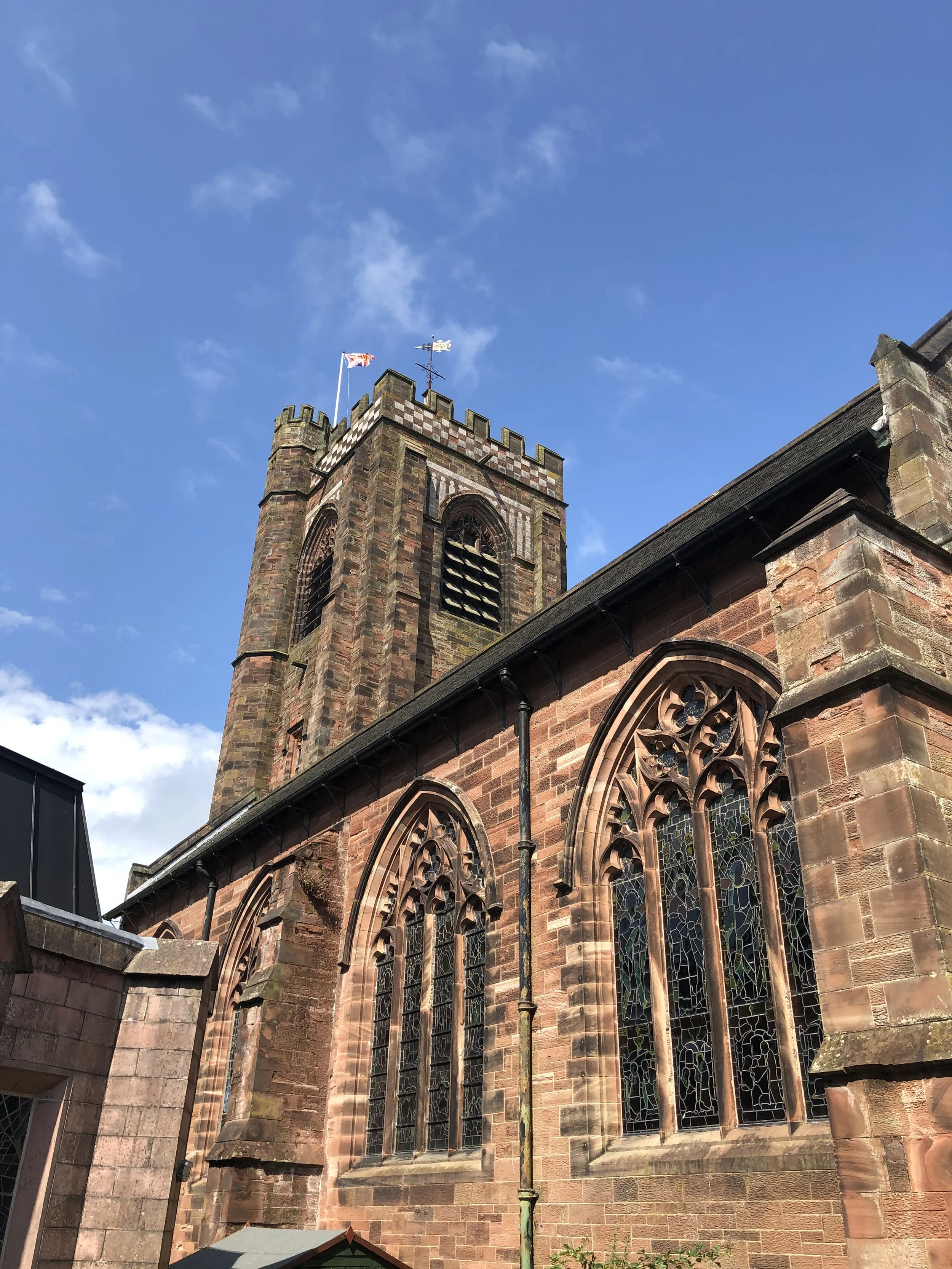
Our role was to introduce clarity before commitment. We delivered a 12-month national feasibility and advisory programme spanning more than 100 churches and parish facilities, ranging from Grade I listed buildings to non-designated heritage assets with strong local identity.
Each building was assessed through a coordinated, multidisciplinary feasibility framework. This included appraisal of historic fabric and condition, review of environmental performance and existing building services, assessment of access and site constraints, consideration of archaeological and conservation sensitivity, and evaluation of environmental and flood risk. These technical assessments were always considered alongside patterns of use, operational needs, and how each building might need to adapt in the future.
Rather than steering buildings toward predetermined outcomes, we undertook structured option testing. Multiple future-use scenarios were explored, including continued and enhanced community use, mixed-use reconfiguration, and alternative non-residential functions. Retrofit and heating strategies were tested alongside levels of intervention, heritage impact, planning acceptability, diocesan governance, and regulatory constraints, ensuring proposals were realistic, deliverable, and proportionate.
A defining feature of the programme was the early identification and management of risk. Planning constraints, conservation considerations, services capacity, environmental exposure, funding readiness, and stakeholder acceptance were assessed at feasibility stage and translated into clear, comparable options. These ranged from light-touch, low-cost measures to more substantial reordering, refurbishment, and energy interventions, each supported by costed and prioritised recommendations.
Alongside the wider programme, we delivered detailed heating and Net Zero studies for individual churches, recognising that energy use, comfort expectations, and operational patterns vary significantly across historic worship spaces. These studies assessed existing heating systems and distribution, building thermal behaviour, occupancy patterns, and seasonal use, establishing an accurate baseline for performance and demand.
Each church was benchmarked against recognised best practice for church heating and low-carbon operation, allowing current performance to be understood in context rather than against generic standards. We tested a range of proportionate decarbonisation pathways, including improvements to control strategies, fabric-first measures where appropriate, and alternative heating solutions suited to intermittently occupied, high-volume heritage spaces.
All options were evaluated not only for carbon impact, but for heritage compatibility, user comfort, operational practicality, capital cost, and long-term maintenance. Studies were supported by clear planning guidance, identification of potential grant and funding routes, and robust cost–benefit analysis, enabling stakeholders to make informed decisions that balanced welcome, worship, conservation, and long-term sustainability without compromising the character or integrity of the buildings.
The Outcome
This programme has fundamentally reshaped how historic church buildings are understood, protected, and prepared for long-term life. By placing careful feasibility, heritage judgement, and inclusive stakeholder engagement at the very beginning of the conversation, it allows change to be approached with confidence rather than urgency — ensuring that decisions respect significance while enabling buildings to remain active, welcoming, and deeply rooted in the communities they serve.
Beyond individual churches, the work has created lasting organisational value. It established a repeatable, evidence-led approach that gives the Church of England clarity and confidence when facing complex questions of adaptation, investment, and sustainability across its estate. The enduring impact is not measured in any single project or intervention, but in assurance that these nationally significant buildings can evolve with care, respond to changing needs, and continue to play a meaningful role in community life for generations to come.
Our Lasting Impact
This programme has strengthened how historic church buildings are understood, safeguarded, and planned for the future. By embedding feasibility, heritage judgement, sustainability, stakeholder engagement, and long-term thinking at the earliest stages, it enables informed choices that protect significance while allowing buildings to remain active, welcoming, and viable.
Beyond individual assets, the work enhanced organisational capability, providing the Church of England with repeatable, evidence-led models for future feasibility studies, adaptation planning, funding preparation, and, where appropriate, decarbonisation initiatives. The lasting impact is not defined by any single intervention, but by confidence that complex heritage buildings can evolve responsibly, continue serving their communities, and be stewarded sustainably over the long term.
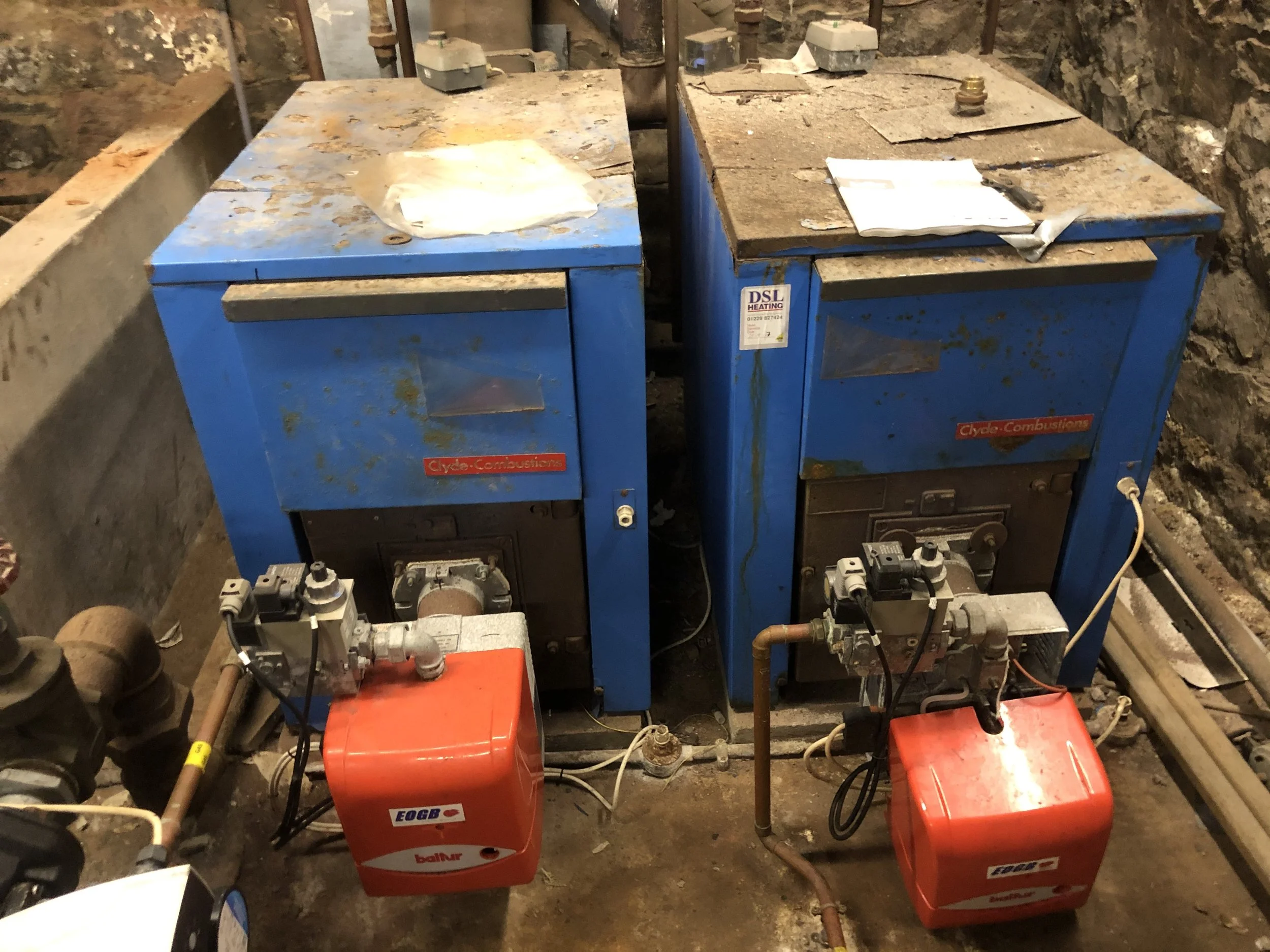
Net Zero initiatives were developed through structured feasibility studies designed to directly support diocesan business cases and funding decisions. Recognising that historic churches operate very differently from modern buildings, we undertook detailed usage consultations to understand patterns of occupation, worship, community activity, and seasonal demand. This ensured that proposed low-carbon strategies were aligned with how spaces are genuinely used, rather than theoretical performance assumptions.
In a heritage setting, this approach is particularly critical. Decarbonisation measures must be proportionate, sensitive, and demonstrably appropriate for historic fabric, spatial volumes, and intermittent use. By testing Net Zero pathways through feasibility, alongside cost, heritage impact, user comfort, and operational practicality, we enabled dioceses to make informed, defensible decisions that balance environmental responsibility with conservation, worship, and long-term stewardship. The outcome is a credible, evidence-led basis for investment that can progress confidently through governance, consent, and funding stages.
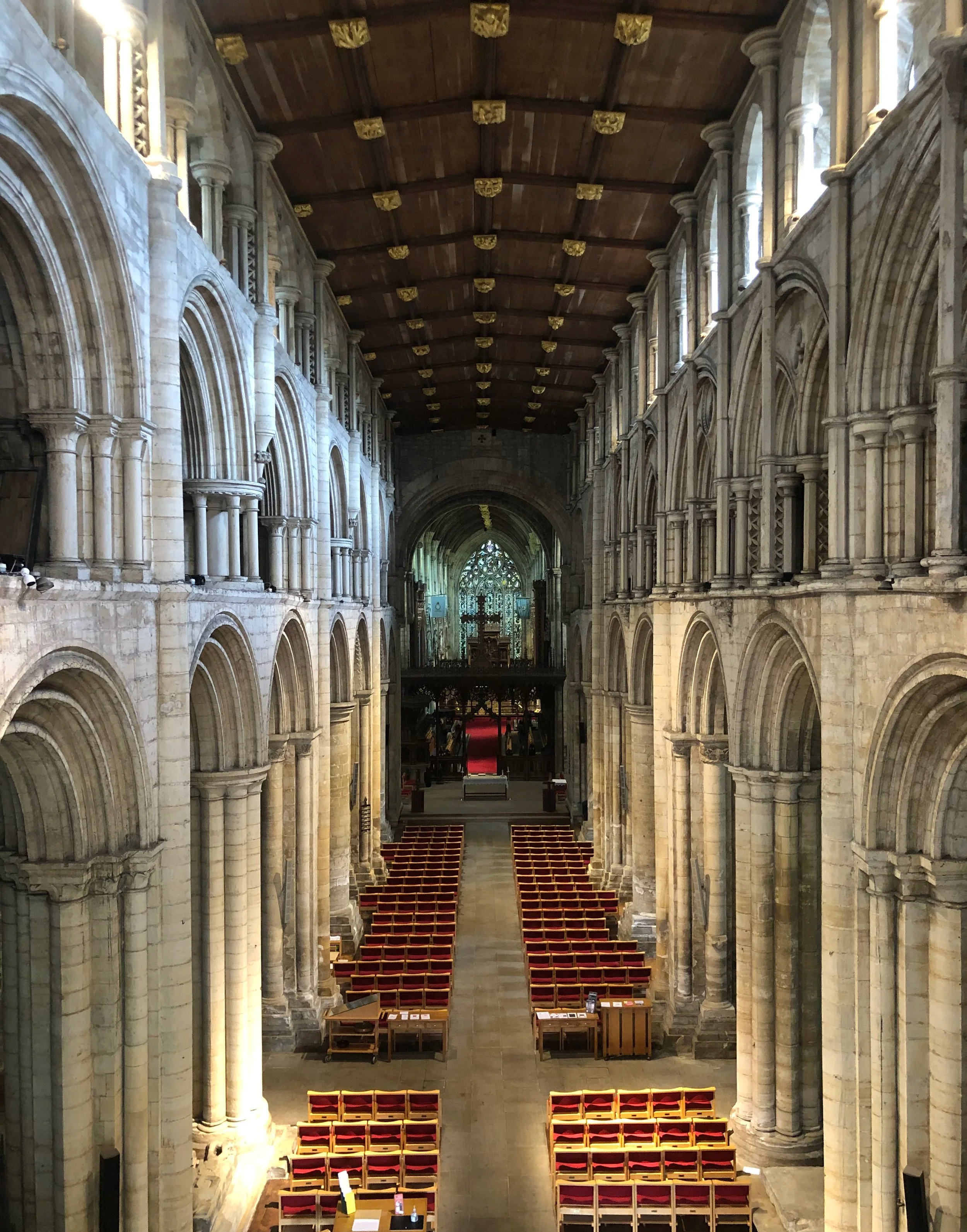
Building fabric, heritage sensitivity, and environmental risk formed a core strand of our feasibility methodology. Detailed appraisal of historic fabric, construction typologies, and condition informed a fabric-first approach, ensuring that performance improvements were explored at the most fundamental level before introducing mechanical or system-based interventions. Conservation constraints, historic artefacts, and potential archaeological sensitivity were assessed alongside ground conditions and site access, with findings used to shape proportionate, heritage-led recommendations.
Environmental risks were considered in parallel, including flood risk, moisture behaviour, ventilation performance, and long-term resilience to climate change. By embedding these assessments early, we were able to identify constraints, mitigate risk, and guide decision-making with clarity, ensuring proposals were technically robust, conservation-appropriate, and capable of progressing confidently through planning, consent, and funding stages.
Funding strategy and application support formed a critical part of our role, enabling feasibility and design work to translate into deliverable investment. We support clients through a wide range of funding routes, including the National Lottery Heritage Fund, Public Sector Decarbonisation Scheme (PSDS), local government grants, and other heritage and sustainability funding streams. Our advice is shaped to meet the evidential, governance, and value-for-money requirements of each funding body, ensuring submissions are credible, proportionate, and aligned with both heritage and environmental objectives.
Alongside this delivery-led work, we are actively engaged in ongoing research into emerging decarbonisation measures for heritage buildings. This research focuses on solutions that can significantly improve energy performance while avoiding harm to historic fabric, internal architecture, and structural integrity, a long-standing challenge within the sector. By combining funding expertise with forward-looking research, we help clients not only secure investment today, but position their assets to benefit from the next generation of heritage-compatible low-carbon solutions.